What is the ROI of ESG? Why It’s Not What Most Companies Expect in 2026
What is the ROI of ESG? That’s the question most businesses ask right before they decide whether ESG is worth investing in or just another compliance burden.
And honestly, the confusion makes sense.
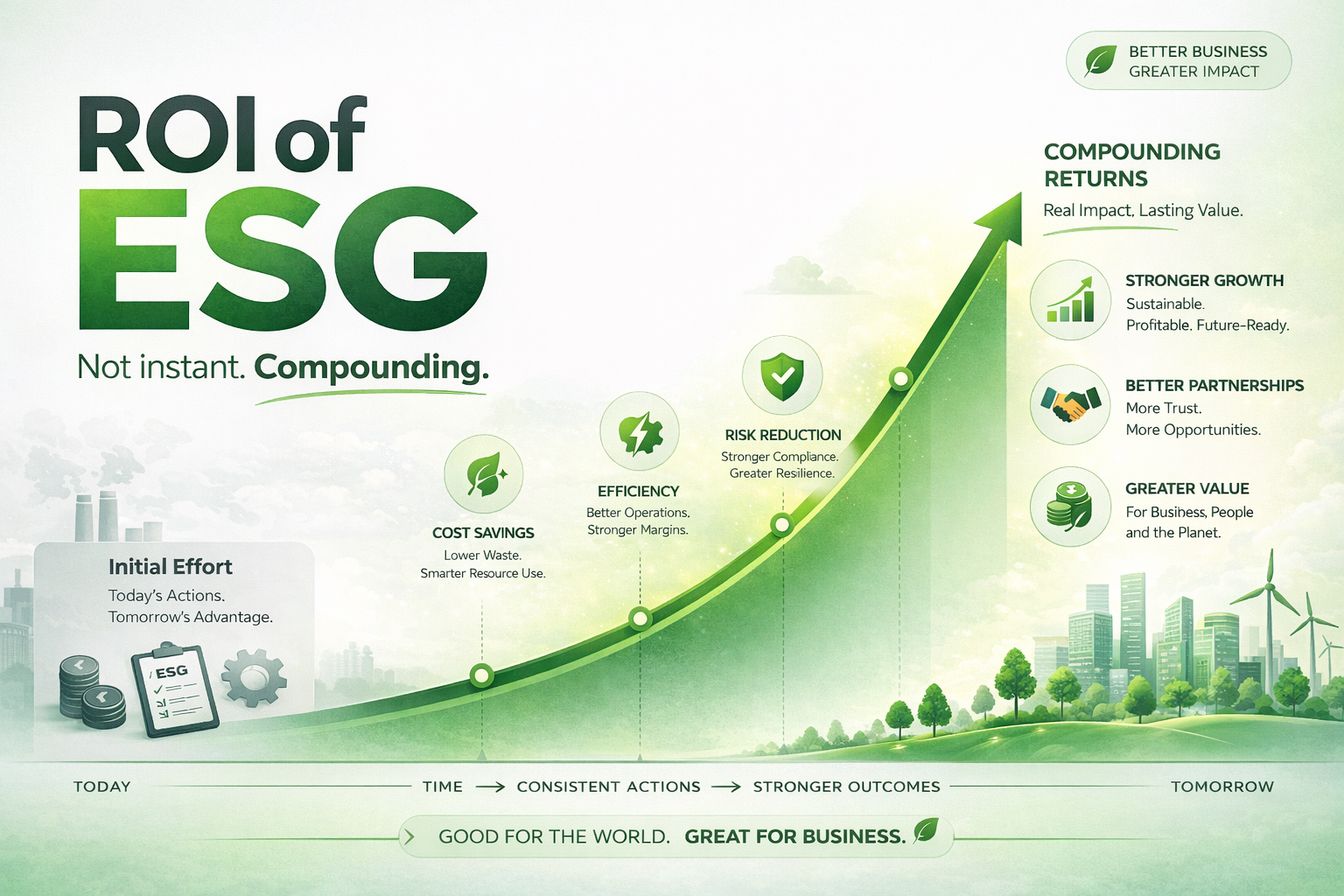
Because ESG doesn’t always show returns in the way traditional investments do. You don’t switch to sustainable practices and suddenly see revenue double next month. That’s not how it works.
But here’s where it gets interesting: companies that understand the ROI of ESG properly are quietly building advantages that others struggle to catch up with later.
In this guide, we’ll break down what is the ROI of ESG in real business terms, how it actually impacts growth, and why, in 2026, it’s becoming one of the smartest long-term investments a company can make.
What is the ROI of ESG in simple terms?
Let’s simplify it.
The ROI of ESG is the return a company gets from implementing environmental, social, and governance practices.
But unlike traditional ROI, it doesn’t come from just one source.
It comes from:
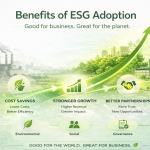
- cost savings
- risk reduction
- better funding opportunities
- stronger brand positioning
- improved operational efficiency
So when someone asks what is the ROI of ESG, the real answer is it’s multi-layered and builds over time.
Why ESG ROI is often misunderstood
Most businesses expect ROI to be immediate and measurable in direct revenue.
That’s where ESG gets misunderstood.
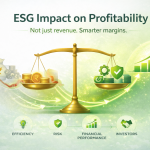
Because the ROI of ESG doesn’t always show up as instant profit, it shows up as:
- avoided losses
- improved margins
- increased opportunities
- long-term stability
For example, avoiding a compliance penalty doesn’t show as “profit”, but it directly protects your bottom line.
That’s still ROI. Just not the obvious kind.
The real drivers of ESG ROI
To understand what is the ROI of ESG, you need to look at where the returns actually come from.
1. Cost reduction
Better energy usage, reduced waste, and efficient resource management directly lower operating costs.
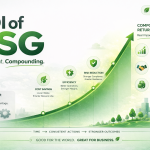
Over time, these savings compound.
What starts as small improvements becomes a consistent financial advantage.
2. Revenue growth opportunities
Many global companies now prefer working with ESG-compliant vendors.
This means ESG directly impacts:
- who you can work with
- which contracts can you win
- how you positioned in the market
So the ROI of ESG also comes from new business opportunities.
3. Access to capital
Investors are increasingly allocating funds toward ESG-aligned businesses.
Companies with strong ESG practices are seen as:
- more stable
- less risky
- better managed
This translates into easier access to funding and sometimes better valuation.
4. Risk management
This is one of the most underestimated areas.
ESG helps reduce:
- regulatory risks
- environmental liabilities
- reputational damage
Avoiding one major issue can often justify the entire ESG investment.
That’s a powerful part of the ROI of ESG.
5. Brand value and trust
Customers and clients are becoming more conscious.
Companies with visible ESG practices:
- build stronger trust
- retain customers longer
- attract better partnerships
And trust, over time, converts into revenue.
6. Operational efficiency
ESG forces companies to measure and track their operations better.
This leads to:
- clearer processes
- better decision-making
- improved productivity
Which again contributes to long-term ROI.
What is the ROI of ESG in numbers?
Here’s the part most people look for numbers.
While ESG ROI varies by industry, studies and real-world cases show:
- Companies with strong ESG practices often outperform peers in the long run
- Operational cost reductions can range from 5% to 20%, depending on efficiency improvements
- ESG-aligned companies attract more consistent investor interest
But here’s the thing: the exact ROI of ESG depends on how well it’s implemented.
There’s no fixed number. But there is a clear trend that companies that do ESG right perform better over time.
Short-term vs long-term ROI of ESG
This is where clarity matters.
Short-term ROI
- initial cost savings (energy, waste reduction)
- improved compliance
- early brand positioning
Long-term ROI
- stronger market positioning
- higher business valuation
- consistent investor trust
- sustainable growth
If you only look at short-term ROI, ESG might seem slow.
If you look at long-term ROI, it becomes obvious why it matters.
What industries see the highest ESG ROI?
Not all industries experience ESG ROI in the same way.
Manufacturing
High impact due to energy use, waste, and compliance requirements.
Supply chain businesses
ESG compliance is often required to work with global clients.
Finance and investment
ESG directly affects valuation and risk perception.
SMEs and growing businesses
Early ESG adoption creates a strong positioning advantage.
So the ROI of ESG is not limited to large corporations; it applies across business sizes.
Common mistakes that reduce ESG ROI
Not every ESG effort leads to returns.
Here’s where companies go wrong:
Treating ESG as a checklist
Focusing only on reports instead of real improvements.
Lack of a clear strategy
Without direction, efforts don’t translate into measurable outcomes.
Trying to do everything at once
This leads to inefficiency and burnout.
Ignoring measurement
If you don’t track progress, you can’t see ROI.
To actually see the ROI of ESG, execution matters more than intention.
How to maximise the ROI of ESG
If you want ESG to work as an investment, not just compliance, here’s how to approach it:
- start with a clear assessment of your current impact
- focus on high-impact areas first
- set measurable goals
- track performance consistently
- align ESG with business strategy
This ensures that ESG efforts are not scattered but aligned with growth.
Is ESG ROI still relevant in 2026?
More than ever.
In 2026:
- ESG is influencing investor decisions
- regulations are becoming stricter
- global clients expect compliance
- markets are rewarding responsible businesses
So asking what is the ROI of ESG is no longer optional; it’s a necessary business question.
The shift most companies are missing
Here’s the real insight.
Earlier, ESG was seen as a cost.
Now, it’s becoming a competitive advantage.
Companies that understand the ROI of ESG early:
- position themselves better
- attract better opportunities
- build stronger foundations
And once that advantage is built, it compounds.
Where this leaves your business
What is the ROI of ESG? It’s not just about numbers, it’s about how your business performs over time.
Some returns are visible immediately. Others build quietly in the background in trust, efficiency, and opportunity.
The companies that win aren’t the ones asking whether ESG is worth it.
They’re the ones figuring out how to use it better.
Because in the long run, the ROI of ESG isn’t just financial, it’s strategic.